
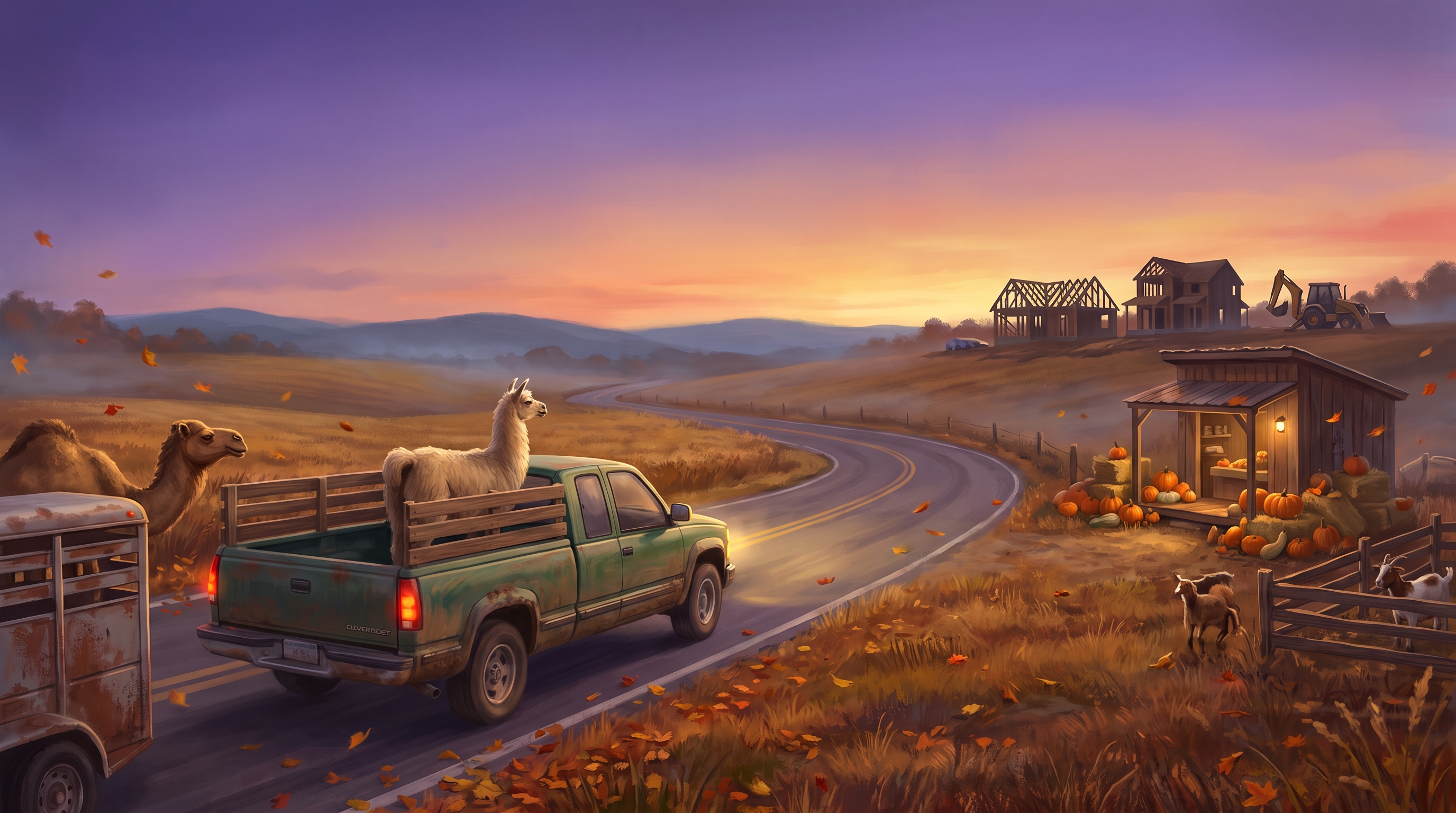
In the fall of 1999, a man with snakebite scars on his hands began moving a zoo to Loudoun, one load at a time.
The first three dozen animals were goats, deer, Yorkshire pigs, turkeys, horses, donkeys, emus and llamas. Still waiting in Reston were a camel, a red-tailed hawk, a half-dozen monkeys, a Himalayan bear cub and two giant tortoises. It took until mid-November to bring everyone across.
Loudoun had about 170,000 people then. It has about 461,000 now. Almost everything along Route 15 south of Leesburg has changed since that autumn. The animals are still there. So is the family that brought them.
- 169,599
- people in Loudoun, 2000 census
- 461,237
- people in Loudoun, county estimate for 2026
- 5 → 22
- acres hoped for in 1999 vs. today
Then
Now
The dream
This is the story of Bob and Shirley Johnson, and a petting zoo that kept getting squeezed out until it found a place that let it stay.
Chapter one
The policy man who became a zookeeper
It almost didn't start. In 1978, a petting farm on Hunter Mill Road in Reston closed after losing money, and around 500 animals were sold or given away. One of the people brought in to rehome them decided to try reopening it instead. He found a backer in a Loudoun businessman named Robert Johnson. Pet Farm Park opened in the spring of 1980.
Bob had worked in Washington on environmental policy. Within a few years he was stacking hay bales and collecting the kind of scars you get from snakes who don't want to be held. He and Shirley ran the park for two decades. It became the Reston Animal Park in 1993, and by the end of the decade it was drawing around 100,000 visitors a year.
Chapter two
The suburbs kept coming
Reston grew up around the park. Rented pastures where bison, deer and zebras had grazed were sold for houses, and the herds got smaller. In 1994 the land under the park was changing hands too, and a dispute over the lease ended in a compromise that bought the Johnsons five more years. In 1999, the five years were up.
They had spent those years quietly looking around Leesburg. They found room at Sunshine Farms, a farm and produce stand on Route 15 just south of town, and started moving that October. Bob, then 57, said the country suited the animals better. In Reston, an animal that slipped out could end up panicking in a parking lot.
The manifest, fall 1999
Everything that made the trip down Route 15
First loads, early October
- Goats
- Deer
- Yorkshire pigs
- Turkeys
- Horses
- Donkeys
- Emus
- Llamas
Still to come, by mid-November
- A camel
- A red-tailed hawk
- A half-dozen gibbons and squirrel monkeys
- A Himalayan bear cub
- An African steer with a four-foot horn span
- A boa and a python
- Two Aldabra tortoises
- Tarantulas and hissing cockroaches
He had barely unloaded when the backhoes showed up next door. A cornfield beside the farm was being cut into lots for 30 large new homes. Bob joked that development seemed to follow him wherever he went.
It did. Between 2000 and 2008, Loudoun grew by 71 percent and became one of the fastest-growing counties in America. The cornfields filled in. The farm stand became a park. And the families moving into all those new houses needed somewhere to take the kids on a Saturday.
The county that grew around it
Loudoun's population, 2000 to 2026
Chapter three
The first morning on Route 15
That first autumn, a reporter from The Washington Post spent a sunny morning at the new site. Preschoolers from Leesburg's Douglass Community Center spilled off a hayride and ran for the gates. One toddler chased a black sheep, which escaped by hopping clean over a little boy who had stopped to tie his shoe. A four-year-old wrapped his arms around a donkey, announced it was a cow, and asked if they could take it home.
Bob watched the whole thing, shook his head, and smiled.
Kids and animals together. What could be better?
Do the math on those preschoolers. They are in their thirties now. They are the age of the parents you see at the barn fence today, lifting a small child up to meet a llama.
Chapter four
What it took
When they arrived, the Johnsons hoped one day to grow to five acres. Today the park covers about 22. Every barn, path and pen in between was built one season at a time, by a family that had already started over once.
In the spring of 2020, when the pandemic shut the county down, the park found a way to stay open. It became Loudoun's first drive-through zoo, with families steering past the animals on weekends.
Through all of it, the park has stayed what it was in Reston: a family business, owned and run by the Johnsons.
Forty-eight years, at a glance
From Hunter Mill Road to Route 15
- 1978A petting farm on Hunter Mill Road in Reston closes. About 500 animals are sold or given away.
- 1980Pet Farm Park opens that spring, with Bob Johnson's backing.
- 1993It becomes the Reston Animal Park.
- 1994A lease dispute ends in a compromise: five more years in Reston.
- 1999The move to Sunshine Farms on Route 15 begins in October. The last animals are across by mid-November.
- 2001The name changes to Leesburg Animal Park.
- 2020Loudoun's first drive-through zoo.
- 2025Twenty-five years in Leesburg.
- 2026Pumpkin Village runs September 19 to November 8. Christmas Village follows in December.
Chapter five
Twenty-six years on Route 15
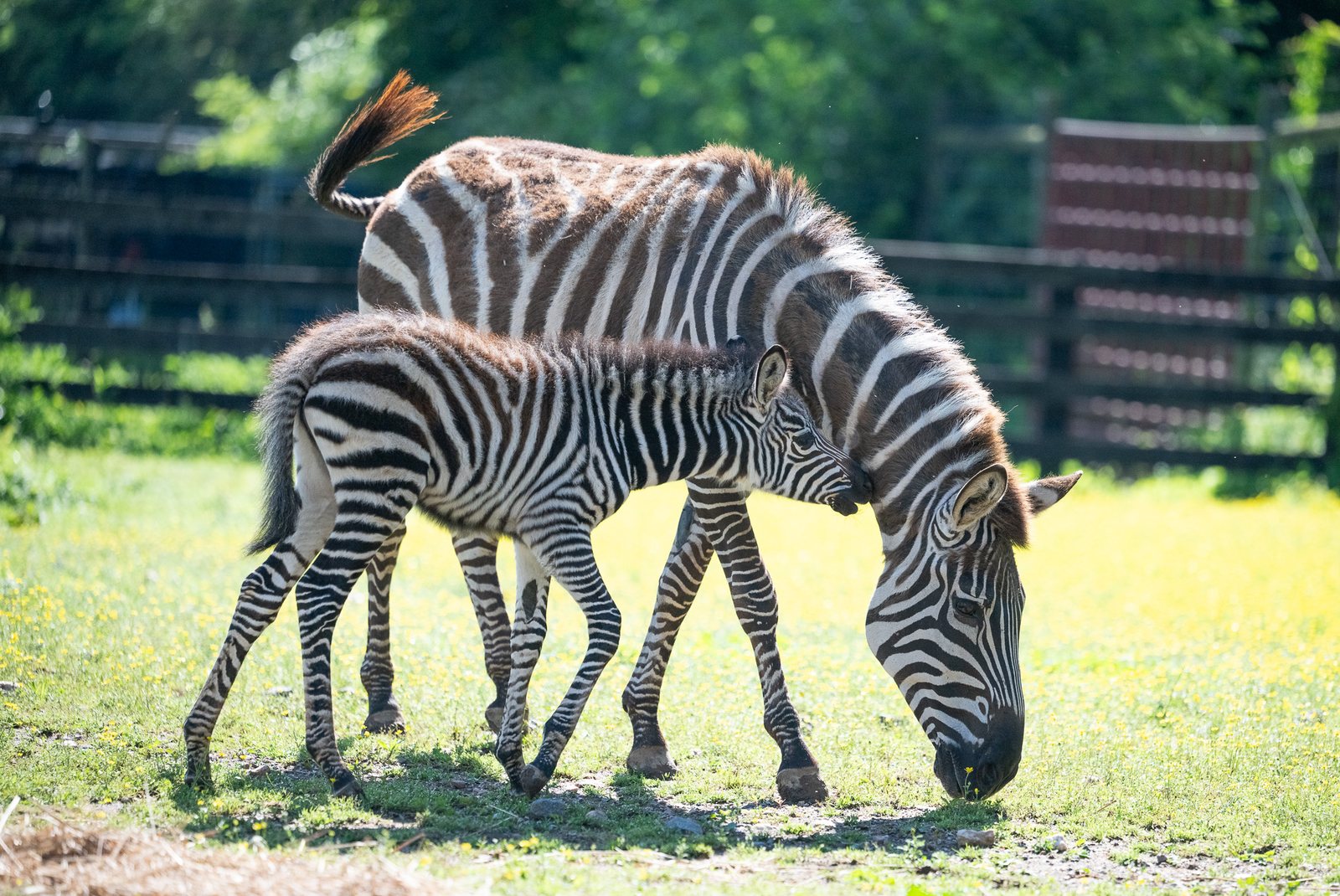
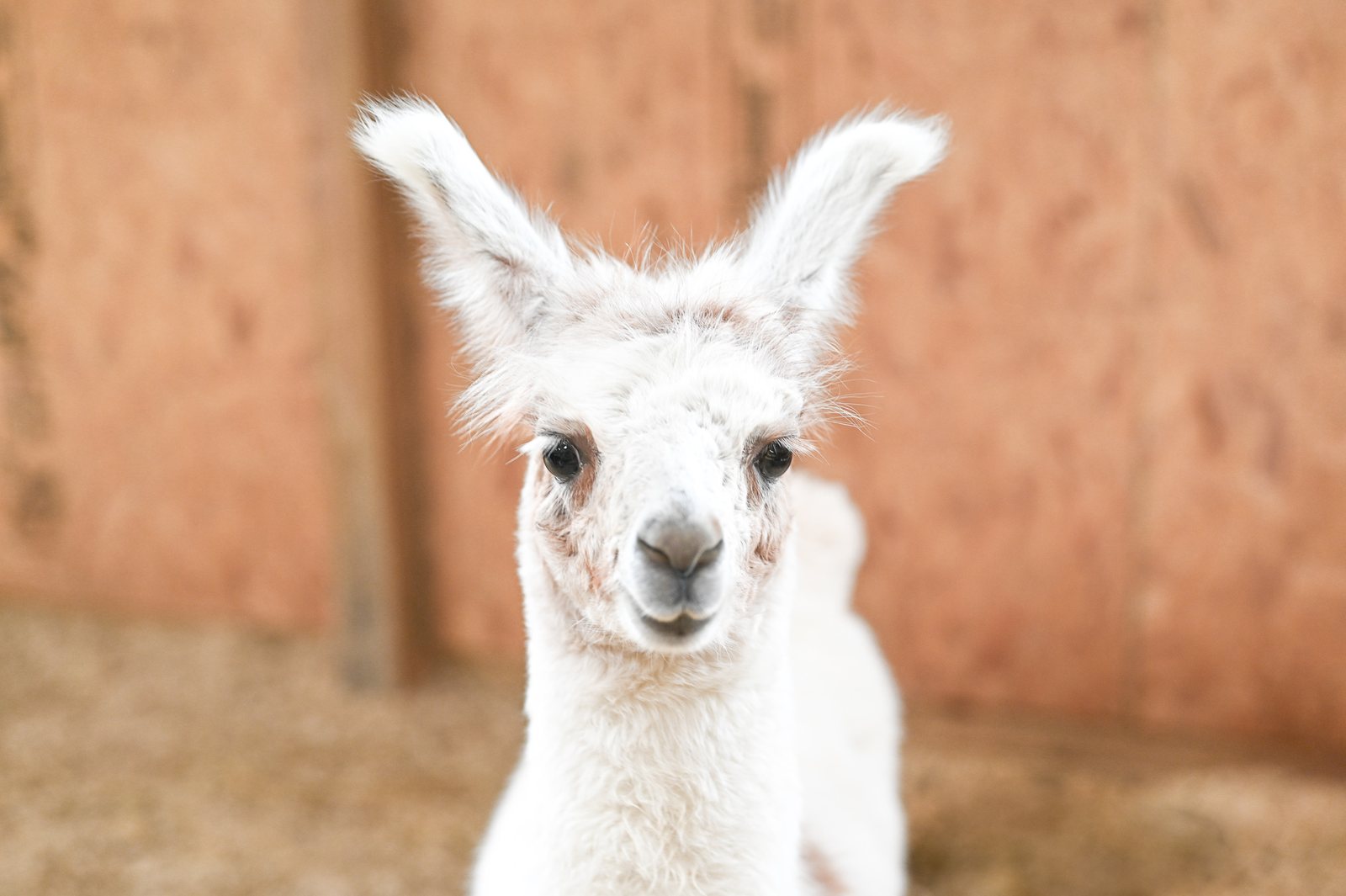
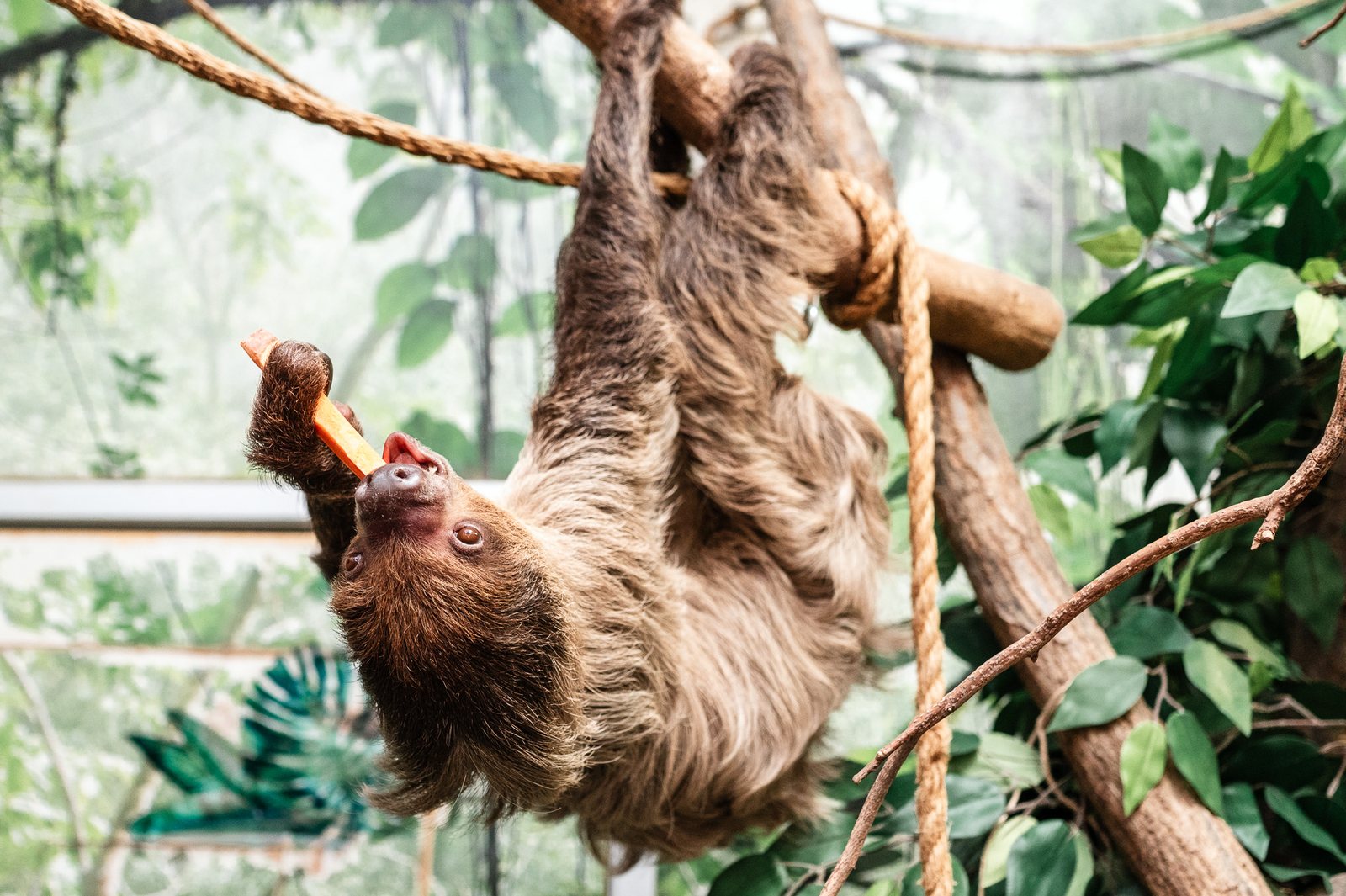
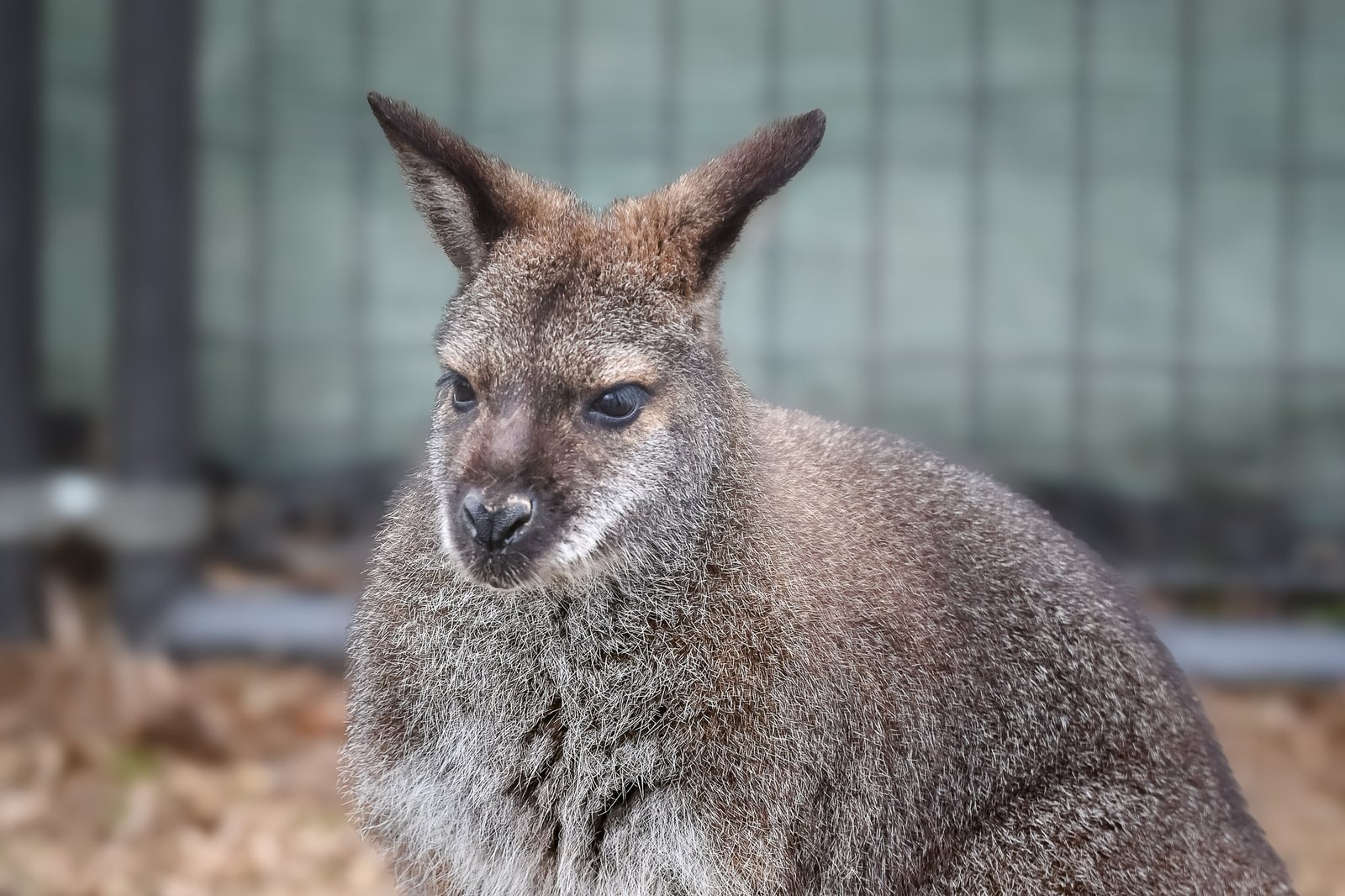
Today there are zebras, lemurs, gibbons, camels, porcupines, sloths and wallabies, and a barn full of animals that expect to be fed. The park says it's built for ages 2 to 10, and in our experience 2-to-10-year-olds agree. One visitor this year found the younger end of that range gets the most out of it.
Two of the animals from that 1999 move are still here. Jethro and Jade, the Aldabra tortoises, rode in from Reston that fall and have watched the county grow up around them ever since. Your kids are meeting the same two tortoises the preschoolers of 1999 could have met.
Every fall it runs Pumpkin Village; this year's runs through 8 November, with giant hill slides, a zip line, pedal carts, wagon rides and moon bounces on top of the animals. In December it opens at night for Christmas Village: thousands of lights, illuminated hill slides, Santa, a bonfire for s'mores, and the animals in a lit-up barn.
Chapter six
If you go this fall
Our verdict
Loudoun has more to do on a Saturday than it did in 1999. Most of it didn't exist then. This did. It has been teaching this county's children what a llama feels like since before most of today's Loudoun lived here.
Bob Johnson spent twenty years watching the suburbs swallow his fields. Then he packed up the whole menagerie and moved it west, and the suburbs followed him again. This time, they came through the gate with their kids.
Share this story